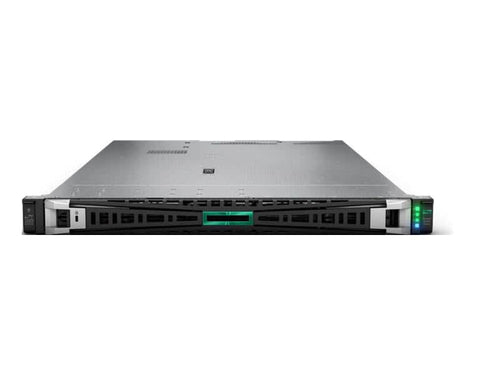
In today’s digital landscape, ransomware has emerged as one of the most formidable threats to cybersecurity. Organizations across the globe are grappling with the incessant challenge of protecting their sensitive data and maintaining business continuity. As ransomware attacks become more sophisticated, the need for robust cybersecurity solutions, such as Ransomware Protection Servers, is more critical than ever. This article delves into how reliable protection servers can fortify defenses against ransomware attacks, ensuring that systems remain secure and operational.
Understanding Ransomware Threats
Ransomware is a type of malicious software designed to block access to a computer system until a sum of money is paid. These attacks can have devastating effects on businesses, leading to data loss, financial damages, and reputational harm. Understanding the nature and mechanisms of ransomware is the first step in establishing an effective defense.
Key Characteristics of Ransomware
- Encryption: Renders files inaccessible by encrypting them.
- Demands: Often accompanied by a ransom demand for file decryption.
- Propagation: Can spread rapidly across networks.
- Variants: Numerous strains, each with unique properties.
How Protection Servers Help
Protection servers, including Cyber Defense Servers and Threat Detection Servers, play a pivotal role in safeguarding against ransomware. These servers provide a robust infrastructure that not only prevents attacks but also mitigates their impact.
Comprehensive Security Features
- Continuous Monitoring: Log Monitoring Servers track network activity to detect anomalies.
- Advanced Threat Detection: Threat Detection Servers identify and neutralize threats in real-time.
- Zero Trust Architecture: Zero Trust Security Servers ensure that no entity is trusted by default.
- Authentication Protocols: Authentication Servers validate user identities to prevent unauthorized access.
Implementing a Multi-Layered Defense Strategy
A multi-layered security approach enhances the resilience of an organization’s digital assets. This strategy integrates various servers and technologies to provide a comprehensive shield against ransomware.
Core Components of a Multi-Layered Defense
- Firewall Servers: Serve as the first line of defense by blocking unauthorized access.
- Network Security Servers: Protect the integrity and confidentiality of data as it travels across networks.
- Security Information and Event Management: SIEM Servers collect and analyze security data for proactive threat management.
- Enterprise-Level Security: Enterprise Security Servers provide scalable solutions to meet the diverse needs of large organizations.
Future-Proofing Cybersecurity
As cyber threats continue to evolve, the importance of staying ahead with cutting-edge security solutions cannot be overstated. Investing in reliable Security Appliance Servers that adapt to emerging threats is essential for maintaining robust security postures.
Advantages of Advanced Protection Servers
- Scalability: Easily scale security measures as the business grows.
- Flexibility: Integrate with existing infrastructure seamlessly.
- Cost Efficiency: Reduce costs associated with breaches and data loss.
- Proactive Defense: Stay ahead of cyber threats with continuous updates and improvements.
The fight against ransomware requires a concerted effort and strategic use of technology. By implementing reliable Network Security Servers and other advanced solutions, organizations can defend against ransomware with confidence and ensure the integrity of their digital assets remains intact.
About the Author