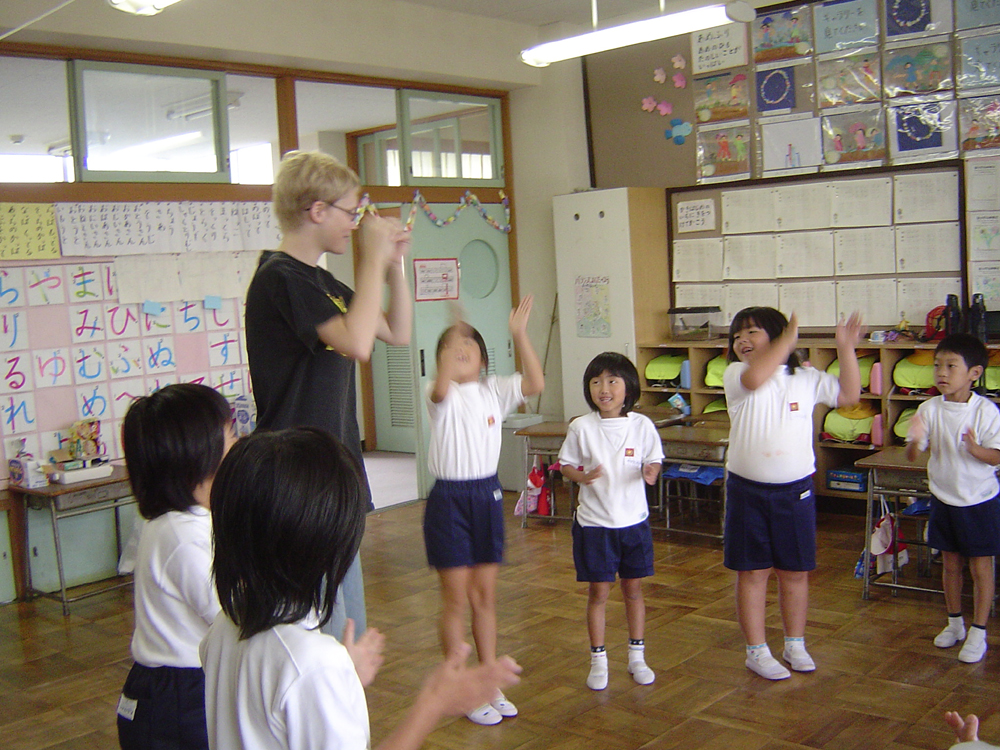
Elementary music education plays a pivotal role in the holistic development of young students. Music, as an art form, transcends cultural and linguistic barriers, allowing children to express themselves creatively and emotionally from a young age. The influence of an elementary music teacher extends beyond musical skills; it fosters personal growth, enhances cognitive abilities, and strengthens social interactions. This article explores the multifaceted role of elementary music educators in nurturing students’ growth and development.
The Importance of Music in Early Education
Music is not just an extracurricular activity; it is an integral part of the learning environment in the classroom. Here are some key benefits of incorporating music into early education:
- Cognitive Development: Music education has been linked to improved memory, attention, and even mathematical skills. The structure of music helps enhance pattern recognition and problem-solving abilities in young minds.
- Emotional Expression: Through music, children learn to express their emotions in a healthy way. It provides a channel for expressing joy, sadness, excitement, and other emotions that might be difficult to articulate through words.
- Social Skills: Participation in group music activities such as choirs or ensembles fosters teamwork, cooperation, and communication among students.
The Role of an Elementary Music Teacher
An elementary music teacher is instrumental in shaping the overall educational experience of students. Their responsibilities encompass a range of activities aimed at enhancing students”? musical and personal growth.
Creating a Positive Learning Environment
Establishing a safe and inclusive learning environment in the classroom is crucial for student engagement. A music teacher’s role involves creating an atmosphere where students feel comfortable exploring their creativity without fear of judgment. This encourages active participation and nurtures a love for music.
Introducing Fundamental Music Concepts
An elementary music teacher introduces students to basic music concepts such as rhythm, melody, and harmony. By guiding students through these foundational elements, teachers lay the groundwork for a more profound musical understanding and appreciation.
Cultivating Cultural Awareness
Music is a reflection of cultural diversity. An effective music teacher incorporates songs and styles from various cultures, broadening students’ perspectives and fostering a sense of global awareness. This is especially significant in diverse educational settings such as elementary in japan schools, where students can learn about their own and others’ cultural heritage through music.
Challenges Faced by Elementary Music Teachers
Despite the numerous benefits, music educators often face challenges that can impact the quality of music education.
- Limited Resources: Many schools face budget constraints that limit access to musical instruments and teaching materials.
- Lack of Time: Music classes are sometimes not prioritized within the curriculum, leading to limited instructional time.
- Varying Skill Levels: Teachers often have to adapt their teaching strategies to accommodate students with different levels of musical background, particularly in kindergarten elementary settings.
The Future of Elementary Music Education
Looking ahead, the role of music in elementary education continues to evolve. Schools such as minato elementary school are increasingly recognizing the importance of integrating music education into their curriculum. Embracing technology, such as digital music tools and online resources, can help overcome some of the challenges faced by music educators and enrich the learning experience for students.
In conclusion, the role of an elementary music teacher is essential in fostering a well-rounded education. By nurturing students’ musical talents and personal growth, music teachers contribute significantly to the development of young learners, preparing them for a bright future filled with creativity and cultural appreciation.
About the Author